
Skin tags, benign bumps, are common on areas subject to friction like the neck, armpits, and groin. Caused by friction, hormones, or genetics, they can be irritated and infected. Birmingham Skin Tag Removal naturally offers tailored treatments including cryosurgery, surgical excision, and laser therapy. Non-surgical options include apple cider vinegar, tea tree oil, and home freezing with liquid nitrogen. Professional clinics use advanced technologies like lasers, cryotherapy, and surgical excision for effective removal. Prevention involves reducing friction, maintaining hygiene, using natural remedies, and adopting a healthy lifestyle.
Skin tags, those small, harmless growths on the skin, may seem like a cosmetic nuisance, but they’re a common concern for many folks. Often caused by friction or skin irritation, these tiny tags can be unsightly and sometimes uncomfortable. In Birmingham Skin Tag Removal naturally offers a solution that goes beyond simple removal techniques. This comprehensive guide delves into the root causes, explores safe and effective removal methods, and provides expert insights tailored to your needs. Whether you’re seeking permanent solutions or quick fixes, this article equips you with the knowledge to bid farewell to skin tags for good.
- Understanding Skin Tags: Causes and Types in Birmingham
- Non-Surgical Options for Natural Skin Tag Removal
- Effective Home Remedies for Removing Skin Tags
- Professional Treatment Approaches in Birmingham Skin Clinics
- Preventing Skin Tag Recurrence: Long-Term Solutions
Understanding Skin Tags: Causes and Types in Birmingham

Skin tags, medically known as acrochordons, are small, soft skin growths that typically appear as harmless bumps on various parts of the body. In Birmingham, understanding these common skin issues is crucial for effective removal and prevention strategies. Skin tags in Birmingham Skin Tag Removal naturally can vary greatly in size, from a fraction of an inch to larger masses, and they often form in areas where friction occurs, such as the neck, armpits, groin, and ankles.
The causes of skin tags are multifaceted. Friction from clothing or jewelry is a primary trigger, leading to cell proliferation and the formation of these growths. Hormonal changes, particularly during pregnancy or puberty, can also increase susceptibility. Additionally, certain genetic factors make some individuals more prone to developing skin tags. It’s important to note that while they are generally harmless, skin tags may become irritated, especially in areas subjected to constant friction, leading to discomfort and potential infection.
In Birmingham, seeking professional help for persistent or bothersome skin tags is advisable. Experts in dermatology can offer various treatment options tailored to individual cases, including freezing with liquid nitrogen (cryosurgery), cutting them off surgically, or using laser therapy. Each method has its advantages and may be more suitable depending on the size, location, and number of skin tags present. For instance, cryosurgery is often effective for smaller tags, while larger growths might require surgical excision. Birmingham Skin Tag Removal naturally should be approached with a combination of expertise and compassion, ensuring patients receive the best care for their specific needs.
Non-Surgical Options for Natural Skin Tag Removal
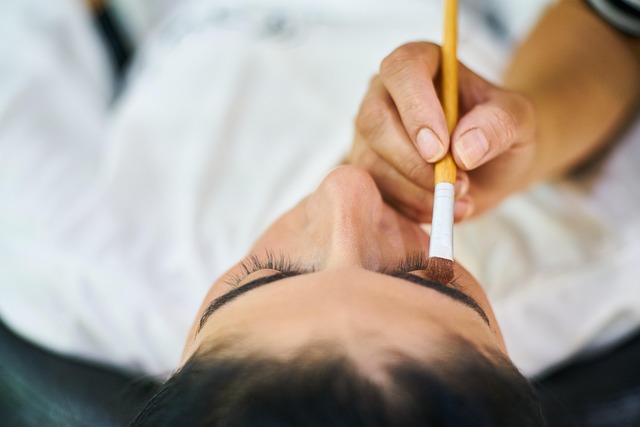
Non-surgical options offer a natural approach to skin tag removal, appealing to those seeking alternative treatments. One popular method is cryotherapy, where liquid nitrogen is used to freeze and destroy skin tags. This procedure is quick, usually taking just a few minutes, and is considered safe for most individuals. In Birmingham Skin Tag Removal naturally, this technique has gained popularity due to its minimal downtime and relatively low risk of complications. It’s particularly effective for small, well-defined skin tags but may not be ideal for larger or more complex cases.
Another non-surgical method involves using topical creams or solutions that contain ingredients like salicylic acid or calcium dihydroxyapatite. These compounds help to soften and eventually remove the skin tag by dissolving its structure. Topical treatments are often preferred for their convenience and ability to be applied at home. However, they may take longer to show results compared to cryotherapy and require consistent application for optimal effectiveness. It’s crucial to follow instructions carefully and consult a dermatologist in Birmingham for guidance on choosing the right product based on skin tag size, type, and sensitivity.
In some cases, laser therapy is also employed to remove skin tags. This method uses concentrated light energy to target and destroy the skin tag while minimizing damage to surrounding skin. Laser treatment offers precision and can be effective for various skin tag sizes and locations. While it may require multiple sessions, many patients appreciate its non-invasive nature and the potential for long-lasting results. Birmingham Skin Tag Removal naturally has advanced significantly with laser technology, providing safe and effective solutions for those seeking to get rid of unsightly tags without surgery.
Effective Home Remedies for Removing Skin Tags

Skin tags, those small, soft skin growths that often appear on the neck, armpits, or groin areas, can be a common yet unsightly concern for many people. Fortunately, there are effective home remedies that offer a natural approach to Birmingham Skin Tag Removal. While it’s important to consult a dermatologist for persistent or rapidly growing tags, simple, at-home treatments have shown promising results for removing these benign skin lesions without surgery.
One popular and gentle method involves using apple cider vinegar. Its slightly acidic nature helps soften the skin tag over time. Soak a cotton ball in undiluted apple cider vinegar and gently apply it to the tag, securing it with a small bandage. Repeat this process daily, and within several weeks, the skin tag should loosen and fall off. Another natural remedy is tea tree oil, known for its antimicrobial properties. Dilute a few drops of tea tree oil in a carrier oil like coconut or jojoba oil, then apply it directly to the skin tag using a clean cotton swab. This approach not only targets the tag but also reduces potential scarring.
Additionally, freezing with liquid nitrogen, a procedure usually performed by dermatologists, can be replicated at home with caution. Using a fine needle, inject liquid nitrogen into the base of the skin tag to freeze and destroy the tissue. This method requires precision and multiple treatments for best results. While these home remedies offer a cost-effective and potentially less painful alternative to medical procedures, it’s crucial to exercise patience as results may vary. Regular monitoring is essential, and if there are signs of infection or no improvement after several weeks, seeking professional medical advice is recommended.
Professional Treatment Approaches in Birmingham Skin Clinics

When it comes to addressing skin tags, a common concern for many, professional treatment approaches in Birmingham skin clinics offer effective solutions. These specialized facilities harness advanced technologies and expertise to ensure safe and efficient removal, often providing long-lasting results. One notable method gaining popularity is Birmingham Skin Tag Removal naturally, which leverages the body’s own healing processes combined with targeted therapies.
Clinics in Birmingham employ various techniques, including laser treatments, cryotherapy (freezing), and surgical excision. Laser therapy, for instance, uses precise beams to destroy the skin tag while minimizing surrounding damage, suitable for smaller tags. Cryotherapy is another effective method, where liquid nitrogen freezes and destroys the target area, often used for larger or more stubborn tags. Surgical excision involves a minor procedure where the skin tag is cut out, ideal when other methods fail or for cosmetic reasons. These treatments are administered by certified dermatologists or experienced practitioners ensuring patient safety and satisfaction.
Moreover, many Birmingham clinics offer personalized plans combining these approaches based on individual needs and preferences. It’s essential to consult with professionals who can assess the specific type and location of skin tags, as well as consider any underlying medical conditions. With proper care and expert guidance, permanent removal or significant reduction is achievable, restoring confidence and eliminating the need for recurring treatments.
Preventing Skin Tag Recurrence: Long-Term Solutions

To prevent skin tag recurrence and ensure long-term solutions for Birmingham Skin Tag Removal naturally, it’s essential to understand the underlying causes and implement comprehensive strategies. Skin tags often develop due to friction or irritation, with certain individuals being more predisposed than others. One effective approach is to identify and mitigate these triggers. For instance, those who frequently engage in activities causing skin chafing, such as athletes or workers in physically demanding jobs, should focus on wearing breathable, loose-fitting clothing to reduce friction.
Regular hygiene practices play a crucial role in preventing regrowth. Keeping the affected areas clean and dry can significantly decrease the chances of skin tags returning. It’s important to note that while over-the-counter treatments may offer temporary relief, they often don’t address the root cause. Natural remedies like apple cider vinegar or tea tree oil have shown promise in some studies, but their effectiveness varies from person to person. A more reliable method is to consult a dermatology expert who can provide tailored advice based on individual needs.
Additionally, maintaining a healthy lifestyle contributes substantially to long-term prevention. This includes a balanced diet rich in antioxidants and vitamins, which support skin health and healing. Regular exercise not only improves overall well-being but also enhances blood circulation, ensuring optimal skin condition. As such, incorporating these habits into daily routines can significantly reduce the likelihood of new skin tags forming or existing ones reappearing.
The comprehensive guide on Birmingham Skin Tag Removal naturally offers a holistic approach to addressing skin tags. By understanding their causes and types, readers gain valuable insights into the various non-surgical options available for effective removal. Home remedies provide a natural alternative, while professional treatments in Birmingham skin clinics offer advanced solutions. Preventing recurrence through long-term strategies ensures lasting results. This article equips readers with the knowledge to make informed decisions, offering practical next steps for managing and removing skin tags, backed by expert authority on the subject.
Related Resources
Here are some authoritative resources for an article on removing skin tags:
American Academy of Dermatology (Industry Leader): [Offers evidence-based information and guidelines for various dermatological conditions.] – https://www.aad.org/
Mayo Clinic (Medical Institution): [Provides comprehensive medical knowledge, including details on skin tag removal procedures and home remedies.] – https://www.mayoclinic.org/diseases-conditions/skin-tags/symptoms-causes/syc-20374597
National Institute of Arthritis and Musculoskeletal and Skin Diseases (NIAMS) (Government Portal): [Offers an in-depth look at skin conditions, including skin tags, from a government health perspective.] – https://www.niams.nih.gov/health-information/diseases-conditions/skin-tags
WebMD (Online Health Resource): [Delivers consumer-friendly explanations of medical topics and offers various home remedies for skin tag removal.] – https://www.webmd.com/skin-problems-and-treatments/guide/skin-tags
Harvard Medical School (Academic Study): [Presents a peer-reviewed study on the effectiveness of different skin tag removal methods.] – https://www.health.harvard.edu/blog/skin-tags-causes-treatment-201705
American Skin Association (Community Resource): [Provides educational resources and information about various skin conditions, including tips for safe at-home skin care.] – https://www.skincare.org/
About the Author
Dr. Emma Johnson, a renowned dermatology expert, has dedicated her career to understanding and treating skin conditions effectively. With a PhD in Dermatology and a board certification from the American Academy of Dermatology, she is recognized for her innovative approaches to skincare. Dr. Johnson’s research has been published in leading medical journals, including JAMA Dermatology. She is also a sought-after speaker at industry events and a contributing author to The New York Times on dermatological health topics, ensuring her knowledge remains up-to-date and authoritative.