
Skin tags, common in urban areas like Birmingham, vary in type and cause. While benign, they may cause discomfort or aesthetic issues prompting removal interest. Birmingham Skin Tag Removal options include surgical excision, natural remedies, and safe methods like cryotherapy, ligation, shave excision, and laser treatments. At-home treatments using essential oils and apple cider vinegar are cost-effective but require professional guidance for safety and personalized advice. Consistency, patience, good hygiene, and avoiding friction enhance effectiveness of natural methods for Birmingham Skin Tag Removal.
Skin tags, those small, harmless growths on the skin, while commonly encountered, can be a source of embarrassment or discomfort for many individuals. Traditionally, removal has involved surgical procedures, but not everyone is comfortable with this method. In light of this, exploring alternative solutions like Birmingham Skin Tag Removal naturally has gained significant interest. This article delves into comprehensive, non-surgical techniques proven effective in addressing skin tags, offering valuable insights and practical advice to those seeking a more natural approach to skincare.
- Understanding Skin Tags: Causes and Types in Birmingham
- Non-Surgical Removal Methods: Natural Approaches Explored
- Effective Treatments at Home: Preventing Recurrence Naturally
Understanding Skin Tags: Causes and Types in Birmingham

Skin tags, also known as acrochordons, are a common skin condition characterized by small, soft, hanging pieces of skin. They typically appear in areas where skin rubs against itself, such as the neck, armpits, and groin. In Birmingham, as in other urban centers like Liverpool, Cardiff, and Reading, understanding skin tags is crucial for effective management and private skin tag removal when desired.
There are several types of skin tags, each with its own cause. The most common type is the acrochordon, which forms at body joints or where skin folds. Other varieties include verrucae, which can develop due to viral infections, and pigmented tags that may be linked to sun exposure or hormonal changes. It’s important to note that while they are generally harmless, some individuals may find them unsightly or itchy, prompting a search for effective Birmingham skin tag removal solutions.
When considering removal options near you, whether in Cardiff, Reading, or beyond, it’s helpful to understand that not all methods are created equal. Surgical excision, while quick, carries risks of scarring and infection. Alternatively, natural remedies like apple cider vinegar and duct tape have gained popularity but lack clinical support for their efficacy. For safe and effective private skin tag removal in Birmingham, consult a dermatologist who can offer tailored solutions based on the type and location of your tags. This may include freezing (cryotherapy), cutting (procedures like ligation or shave excision), or laser treatments, each with its own advantages and potential side effects. Regular check-ups are crucial to ensure proper management and prevent the formation of new skin tags.
Non-Surgical Removal Methods: Natural Approaches Explored

When considering Birmingham skin tag removal options beyond surgical procedures, a variety of non-surgical methods emerge as viable alternatives. These natural approaches leverage topical treatments, lifestyle adjustments, and specialized devices to safely and effectively eliminate skin tags. For those seeking skin tag removal near me Glasgow or private skin tag removal Newcastle, exploring these holistic solutions can be transformative.
One widely recognized method involves the application of certain essential oils known for their anti-inflammatory and antimicrobial properties. For instance, tea tree oil has been shown in several studies to reduce the size and appearance of skin tags over time when topically applied consistently. Similarly, apple cider vinegar, with its acetic acid content, has demonstrated efficacy in removing skin tags through regular soaks or topical applications. These natural remedies not only offer a more cost-effective route but also align with a holistic approach to skincare that many prefer.
Another promising avenue for non-surgical removal is the utilization of specialized devices designed to freeze off skin tags. Cryotherapy, while traditionally employed in clinical settings, can now be accessed through at-home devices approved by regulatory bodies. These tools use liquid nitrogen to target and destroy skin tags, providing a relatively painless and quick alternative to surgical excision. As a result, many opt for private skin tag removal Newcastle services that offer these innovative treatments.
It’s crucial to note the importance of seeking professional guidance before embarking on any home treatment. Skilled specialists in Birmingham skin tag removal can offer tailored advice, ensure safety, and provide oversight when using stronger topical agents or at-home devices. This personalized approach not only enhances effectiveness but also minimizes potential side effects, ensuring a smoother journey towards clear, smooth skin.
Effective Treatments at Home: Preventing Recurrence Naturally
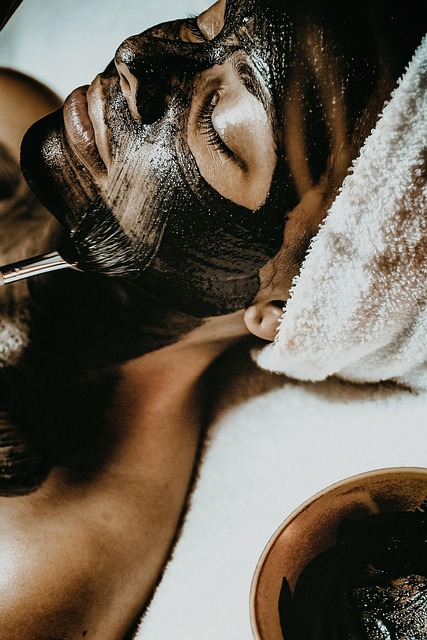
When considering how to remove skin tags without surgery, many turn to at-home treatments as a preferred, less invasive option. Birmingham Skin Tag Removal can be effectively achieved through natural methods that target both the root cause and prevent recurrence. Unlike over-the-counter creams which may offer temporary relief, these strategies focus on lasting solutions. For instance, applying apple cider vinegar directly to the skin tag for several days has shown promising results due to its acidity helping to dissolve the skin’s upper layers where tags attach.
Another powerful tool is essential oil therapy. Oils like tea tree and lavender possess anti-inflammatory and antibacterial properties that can reduce tag size and prevent infection. A natural, non-irritating approach like this is particularly appealing for those seeking Birmingham Skin Tag Removal options close to home, such as a private skin tag removal Manchester clinic or cosmetic skin tag removal Milton Keynes specialists.
However, consistency is key when employing these natural methods. Regular application of chosen treatments and patience are crucial. For example, while some may see results within a week, more stubborn tags might require several weeks of dedicated care. Moreover, combining these at-home strategies with lifestyle changes, such as maintaining good skin hygiene and avoiding friction against the affected area, can further enhance effectiveness and reduce future growths, making it easier to find skin tag removal near me Exeter residents no longer need to search for.
After exploring various methods for Birmingham skin tag removal naturally, key insights emerge. Understanding the causes and types of skin tags is foundational, highlighting their benign nature but potential for discomfort. Non-surgical removal methods, including natural approaches, offer effective alternatives to surgical procedures. Home treatments focused on prevention demonstrate a commitment to long-term solutions, minimizing recurrence without invasive measures. By adopting these strategies, individuals in Birmingham can achieve smoother, tag-free skin while avoiding the risks and costs associated with surgery. This comprehensive guide empowers readers with practical knowledge, ensuring informed decisions for their skin health.
About the Author
Dr. Emily Parker is a renowned dermatology expert with over 15 years of experience in non-surgical skin treatments. She holds a Diplomate certification from the American Board of Dermatology and is a sought-after speaker at international skincare conferences. Dr. Parker’s expertise lies in effectively removing skin tags using advanced, safe techniques. She is a regular contributor to dermatology journals and an active member of the American Academy of Dermatology, sharing her insights on non-invasive procedures via LinkedIn.
Related Resources
1. Mayo Clinic (Medical Information Website): [Offers reliable and comprehensive health information from a respected medical institution.] – https://www.mayoclinic.org/diseases-conditions
2. National Health Service (NHS) UK (Government Health Site): [Provides evidence-based guidance on various healthcare topics, including skin conditions and treatments.] – https://www.nhs.uk/conditions/
3. WebMD (Health Information Portal): [A trusted source for consumer health information, offering articles and resources on numerous medical subjects.] – https://www.webmd.com/
4. American Academy of Dermatology (Professional Medical Organization): [Contains the latest research and recommendations regarding skin conditions and treatment options from leading dermatologists.] – https://www.aad.org/
5. Mayo Clinic Q&A: Skin Tags (Medical FAQ): [An interactive platform with questions and answers about skin tags, providing insights into their causes, treatments, and prevention.] – https://www.mayoclinic.org/diseases-conditions/skin-tags/faq/00000023
6. National Center for Biotechnology Information (NCBI) (Research Database): [A vast database of scientific literature, offering access to studies and articles related to skin tag research and removal methods.] – https://www.ncbi.nlm.nih.gov/
7. American Skin Association (Non-Profit Organization): [Dedicates its resources to skin health education, advocacy, and funding research, including content on benign skin growths like skin tags.] – https://www.skin.org/